

PERCEPTION ANALYSIS: How Media Science Gets the Public to Tell the Truth in Their Own Words
Perception analysis is one of the most powerful tools in media science. It is not about forcing opinions or manipulating conclusions. It is about creating a structured conversation that allows the public to reveal their true thoughts, values, fears, biases, and convictions without realizing that they are doing so. The audience believes they are reacting freely, yet every reaction becomes data. Every comment becomes evidence. Every emotional response becomes a mirror.
Here is how it works. A well crafted article is released on a sensitive issue of public interest. The topic is familiar. The language is deliberate. The framing is strategic. It is designed to provoke engagement, not instruction. People rush in to defend or oppose the argument. One writer aligns with what appears to be the dominant public sentiment. Another writer challenges it from a seemingly opposing angle. The public thinks there is a battle of ideas. In reality, both sides are standing on the same truth, exposing it from different entry points.
This is the genius of perception analysis. When people argue passionately, they abandon caution. They speak honestly. They articulate what they truly believe, often contradicting themselves, revealing hypocrisy, loyalty, resentment, patriotism, or lack of it. Without being interrogated, they confess. Without being pressured, they testify. The public ends up saying the truth by themselves, in their own words, thinking they are merely debating an article.
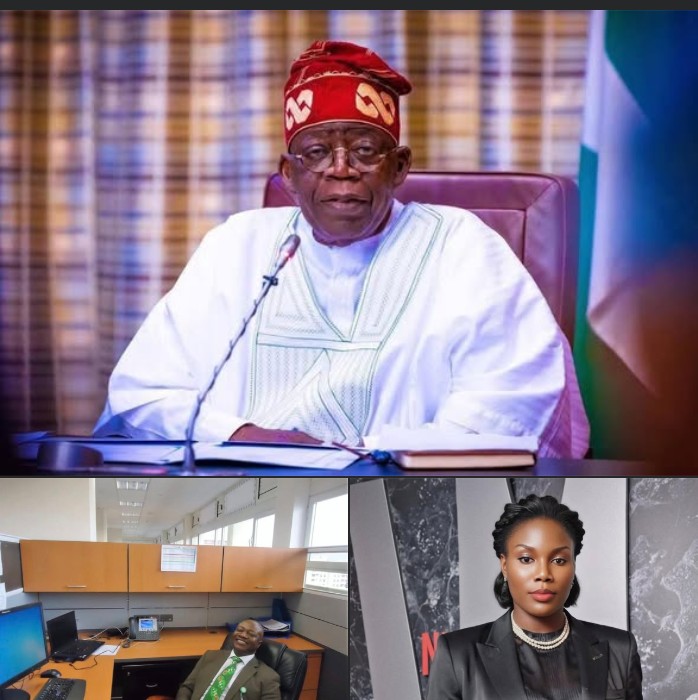
That was my exact point today after reading CP Remi Adeoye’s brilliant article on Ashiwaju and the unpatriotic Nigerians whose only contribution to the system is chaos, noise, and the deliberate demarketing of their own country. What many readers missed is that the article was not just commentary. It was a perception trigger. It separated those who criticize to build from those who criticize to destroy. It exposed who truly understands nationhood and who profits emotionally or politically from instability.
In perception analysis, opposition does not mean disagreement. It means excavation. It means drawing out buried sentiments so they can be examined publicly. When one side appears to support an idea and another appears to oppose it, but both arrive at the same underlying truth, the objective has been achieved. The audience has educated itself.
This is media science at its highest level. It is not propaganda. It is not coercion. It is intellectual architecture. It allows society to confront itself honestly. And for those paying attention, it reveals who is adding value to the national conversation and who is merely amplifying chaos.
The loudest voices are not always the wisest. Sometimes, they are simply the most exposed.
CP Remi Adeoye (Rtd), thank you for educating us today. Remain blessed always. I still remember how I gave you a tough time during your days in service, and you simply smiled and said, “Onijogbon.” That one word captured your strength, patience, and discipline. You were, and remain, one of the finest police officers Nigeria has ever produced. Your leadership restored order, dignity, and confidence in Anambra State, making it a place where people could live, work, and sleep in peace. Your legacy speaks louder than any criticism, and history will continue to honour your service.
Here are the links:
Professor Sandra Chidinma Duru