

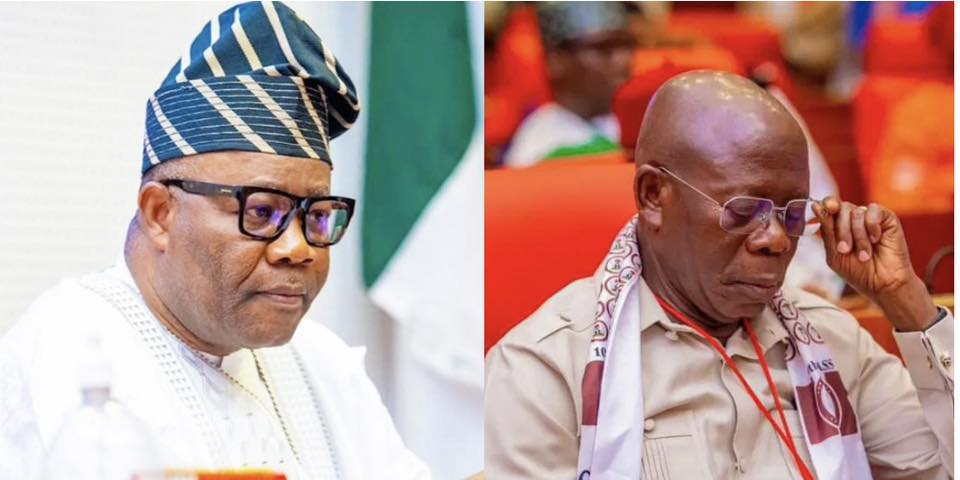
Too many people in politics and parliamentary environments still do not understand what is called the “make believe” negotiation strategy in diplomacy, leadership, and high level power management. Not every disagreement is war. Not every public confrontation is hatred. And not every handshake is surrender.
In serious governance and strategic negotiation, there are moments leaders deliberately create controlled tension, calculated resistance, emotional positioning, and political uncertainty just to test loyalty, expose hidden interests, calm aggressive camps, create room for compromise, or prepare the ground for a new rule, policy direction, or common ground implementation scenario.
That is why some of you misread leadership dynamics because you analyze politics with emotions instead of intellect, strategy, and institutional experience.
Real negotiators understand that diplomacy is not noise. Leadership is not always about shouting, fighting, or destroying opponents. Sometimes, the most powerful move is controlled engagement, tactical patience, psychological balancing, and allowing every side to feel heard while quietly steering everyone toward the final destination.
That is where strategic minds differ from political learners.
Whether people like them or not, men like Godswill Obot Akpabio and Adams Oshiomhole understand the language of political survival, parliamentary management, power balancing, and institutional control. You do not remain relevant for decades in Nigerian politics without mastering negotiation psychology, conflict management, alliance building, and strategic adaptability.
Some parliamentarians and opposition figures must learn that governance is not run like a roadside argument or social media activism. In advanced political systems, leaders sometimes create a “make believe” atmosphere to soften resistance, reduce tension, study reactions, negotiate from strength, and eventually arrive at workable compromises that protect institutional stability.
That is not weakness. It is political intelligence.
The loudest person in the room is not always the smartest. Sometimes the calmest strategist already knows the ending of the game while others are still arguing over the opening scene.
Politics is not only about popularity. It is about timing, calculation, endurance, emotional intelligence, strategic unpredictability, and the ability to keep a nation or institution standing even when pressure comes from every direction.
They are not at war. They are aligning interests with strategic objectives, applying pressure, testing buttons, measuring resistance, and negotiating from positions of experience and institutional understanding. That is how real political power works behind the scenes.
While others are distracted by emotions and media theatrics, strategic minds are studying reactions, building consensus, balancing interests, and securing long term outcomes.
And in this particular political chess game, Akpabio clearly has the advantage. That is leadership. That is diplomacy. And that is the difference between politicians and statesmen.
Prof. Mgbeke